
The fashion industry is changing as sustainability takes center stage. In this shift, vintage clothing stores have become key players in fashion sustainability, influencing consumer choices and brand strategies. But how exactly is vintage shaping sustainable fashion? Let’s explore.
1. Circular Fashion and the Role of Vintage Clothing Stores
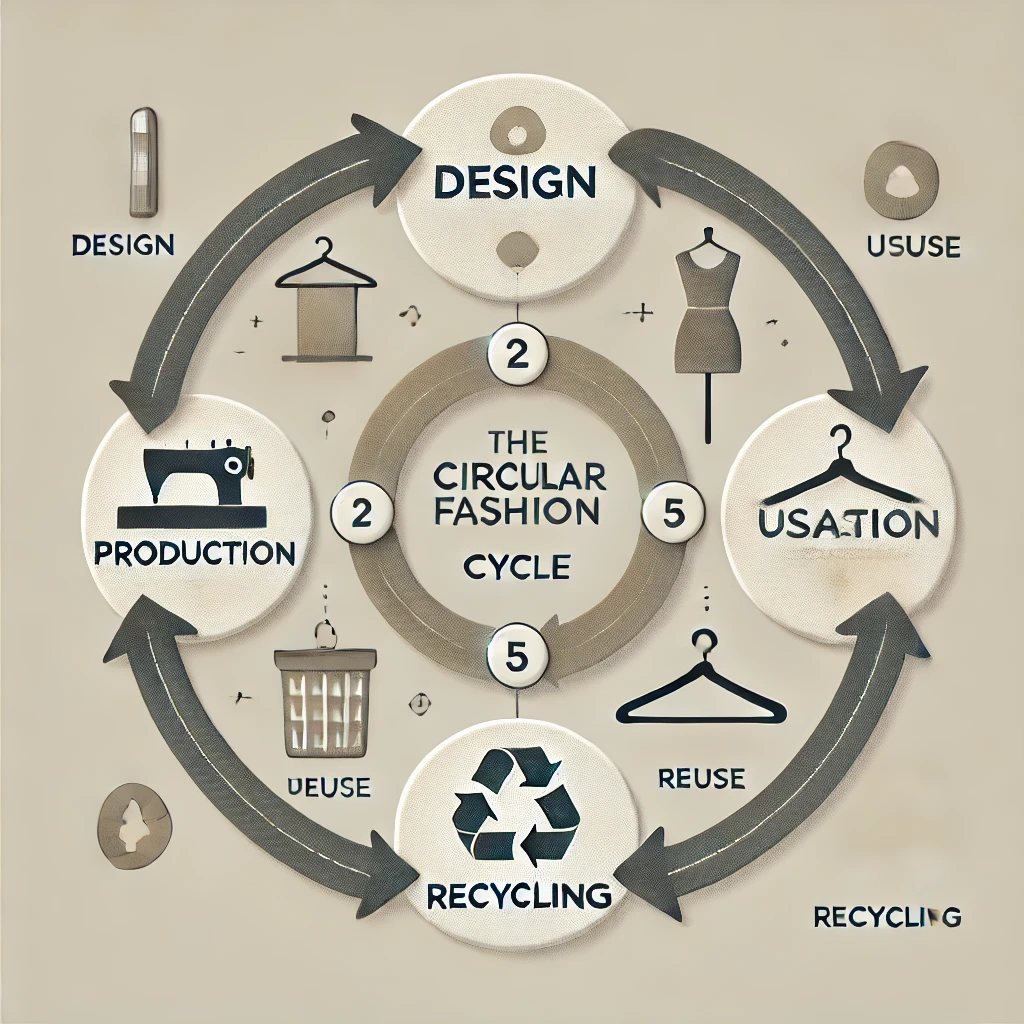
One of the core principles of fashion sustainability is circular fashion—a system that promotes reusing, recycling, and extending the life of clothing. Vintage clothing stores embody this idea by giving garments a second (or third) life, reducing waste, and cutting the need for new production. Consumers are increasingly embracing pre-loved items, with second-hand markets booming and major brands launching resale platforms. Vintage stores play a key role in this movement, offering an alternative to fast fashion.
2. How Vintage Fashion Reduces the Industry’s Carbon Footprint
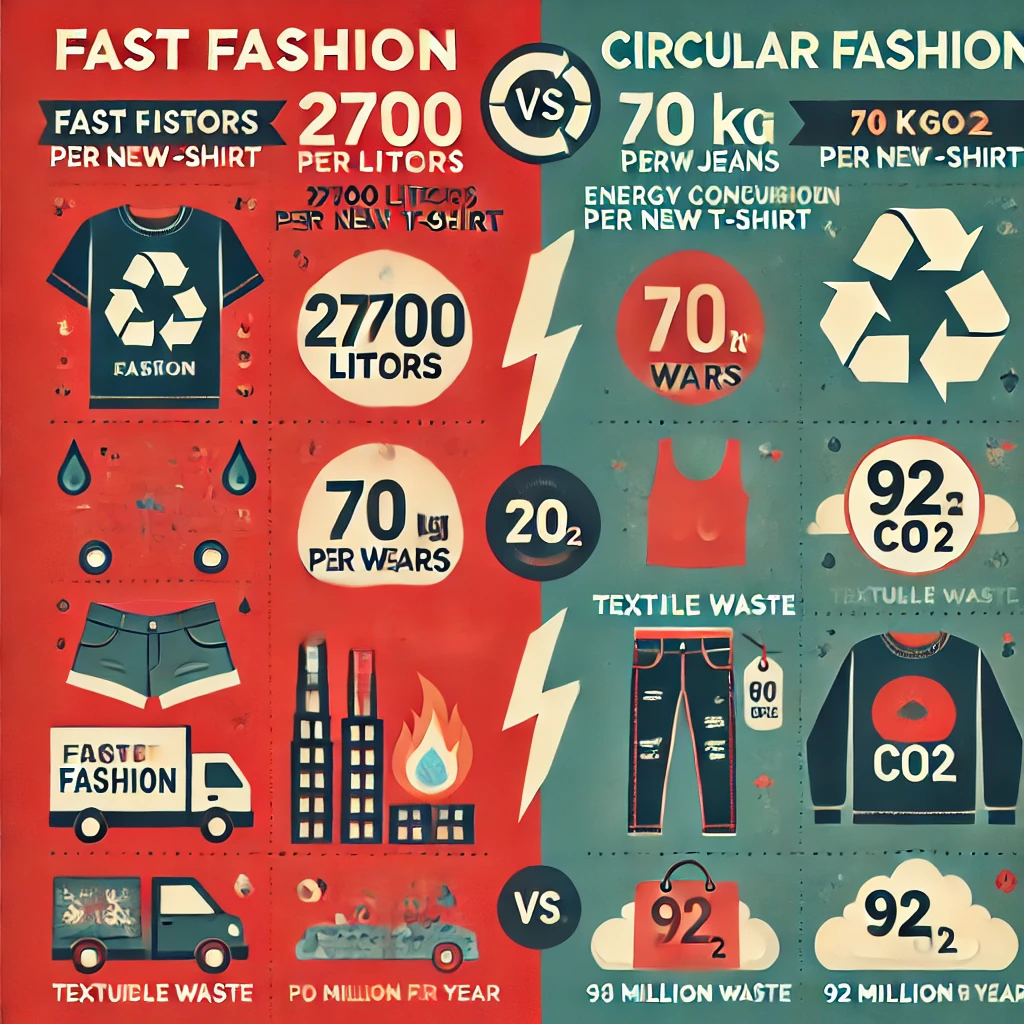
Producing new clothing requires a lot of water, energy, and generates carbon emissions. Choosing vintage fashion reduces demand for new manufacturing, significantly lowering environmental impact. Studies show buying second-hand clothing instead of new can cut carbon emissions by up to 82%. Vouge Vintage and similar stores offer stylish, sustainable choices that minimize waste.
3. Vintage Clothing Stores and Timeless Fashion Over Fast Fashion
Vintage clothing is known for superior craftsmanship, durable materials, and timeless designs. These qualities contrast with today’s fast fashion, where garments are disposable. As consumers realize the value of quality over quantity, more are investing in vintage pieces that last longer instead of trend-driven, short-lived fashion.

4. How Vintage Clothing Stores Inspire Sustainable Design Practices
Vintage clothing stores not only influence shoppers but also modern designers. Many fashion houses look to vintage archives for inspiration, adding classic elements to new collections with a sustainable twist. Upcycling—where designers repurpose vintage textiles—is a growing trend, proving the past can inspire a greener future.
5. Ethical Shopping: The Impact of Choosing Vintage Fashion
Buying vintage fashion is an ethical choice beyond environmental sustainability. It supports small businesses, thrift stores, and independent sellers instead of exploitative fast fashion labor practices. Consumers are becoming more aware of the ethical impact of their shopping habits, making vintage fashion an attractive, responsible choice.
6. Why Major Clothing Brands Are Wary of Second-Hand Fashion
Despite the clear fashion sustainability benefits, many large brands do not fully support the growing second-hand clothing market. But why? One key reason is that second-hand sales disrupt traditional business models. When consumers buy pre-owned designer garments instead of new, it cuts into luxury and fast fashion profits.
Another concern is brand image. High-end fashion labels rely on exclusivity and perceived value to justify high prices. The widespread availability of second-hand items can make their products seem more accessible, reducing exclusivity. Some brands also fear resold clothes in poor condition could harm their reputation.
7. Vintage Fashion vs. Big Brands: Key Arguments
Arguments Against Second-Hand Fashion from Big Brands:
- Loss of revenue from direct sales.
- Brand devaluation due to resale of older or damaged items.
- Reduced control over pricing and positioning.
- Difficulty maintaining exclusivity.
Arguments in Favor of Second-Hand Fashion for Sustainability:
- Extends clothing lifespan, reducing waste.
- Encourages mindful consumption over disposable fashion habits.
- Allows brands to enter circular fashion models with resale platforms.
As fashion sustainability grows, some brands are integrating second-hand options into their models. However, many resist fully embracing vintage and second-hand fashion due to economic and brand positioning concerns.
8. The Future of Sustainable Fashion: Vintage Clothing’s Role
Vintage clothing stores are shaping fashion sustainability by changing how people see clothing. Second-hand shopping normalizes the idea that fashion doesn’t have to be new to be desirable. This shift promotes a more mindful approach to fashion—one where history, quality, and sustainability matter more than fleeting trends. Consumers are turning to vintage stores, such as Vouge Vintage, for stylish yet responsible choices.
Conclusion
Vintage clothing stores play a vital role in redefining fashion sustainability. By extending garment lifecycles, reducing carbon footprints, and promoting ethical consumption, vintage fashion proves that the future of fashion doesn’t have to be new. As sustainability gains importance, vintage clothing will continue to drive change in the industry.
Are you ready to make a difference? Explore vintage clothing stores like Vouge Vintage and be part of a more sustainable future today!
